Search results for
videos poaching a whole fish
Filter Results
Sort By:
Recipes
(121)

Recipes
When poaching a large whole fish, place it in cool liquid first and then slowly bring the liquid to the proper temperature to result in an even texture inside and out. Adding the raw fish to hot liquid would cause the outside to overcook before the inside is cooked. Court Bouillon (page 231) is the traditional poaching liquid for seafood, imparting gentle flavors to the fish without being the least bit overpowering. For the prettiest presentation, remove the skin from the fish while it is still warm, as it will slip off more easily than when cold. A whole fish is always an impressive sight at the table, but even more so when poached and then wrapped in thin ribbons of cucumber, the plump pink fish in stark contrast to the bright-green ribbons.
Recipes
Thin fish fillet can be tricky to prepare, mostly because they fall apart the instant they’re overcooked. But the fact that quarter-inch-thick fillets of flounder, sole, and other flatfish take so little time to cook can be an advantage. By poaching them in barely hot liquid, you slow the cooking and gain control. By flavoring the liquid first with a quick-cooking aromatic vegetable, you create a dish that needs only bread or rice to become a meal. Unlike with broiling or sautéing, the fish never dries out. The traditional liquid for poaching fish is court bouillon, a stock made from scratch using fish bones, onions, carrots, and celery enhanced with white wine and herbs. Assuming you don’t have any court bouillon on hand—and who does?—my poaching liquid of choice is chicken stock, and the canned variety is fine, because you’re going to add flavor to it, and quickly, in the form of leeks and fish.
Quick
Recipes
Fish is particularly good when poached; its fine flavor and texture are preserved in the gentle heat of the liquid. Submerged until done in hot, but not boiling, liquid, the flesh remains moist, tender, and light. Salmon, halibut, cod, sole, and trout are a few examples of fish that are well suited to poaching, whole or in steaks or fillets. Anything from plain salted water to a flavorful vegetable stock with wine (called a Court Bouillon; see page 335) can be used for the liquid. Because of its delicate flavors, poached fish is best served with a simple sauce such as a butter sauce, a mayonnaise, or a variation of salsa verde. Another way to poach fish, especially for a casual meal, is slightly different from the classic method of completely submerging the fish in the poaching liquid. I call it shallow poaching. There’s no special stock to make, the fish is in and out of the pan and onto the table in a matter of minutes, and a quick delicious sauce can be made from the liquid. Fill a low-sided heavy pan with an inch or two of water, or enough to come about halfway up the sides of the fish. Add a good splash of white wine (or a smaller one of wine vinegar); a sprig or two of parsley, fennel, or thyme—or a combination; and a large pinch of salt. Sometimes I float a slice or two of lemon in the water. Bring this to a boil and immediately turn it down to a barely perceptible simmer. Put in the fish, having seasoned it first with salt. Cook the fish for a few minutes on one side, carefully turn it over, and continue cooking until done. Be sure the water does not come back to a boil during the cooking. A thin fillet about 1/2 inch thick will cook in 5 to 7 minutes; a thick steak may take up to 12 minutes. Probe the fish to monitor the doneness. When done, remove the fish with a slotted spatula to a warm plate. To make a quick pan sauce, raise the heat and reduce the liquid by half. Have ready two generous pats of butter cut into small pieces. Whisk or swirl in the butter, bit by bit. Turn off the heat and remove the pan from the burner when the last bit of butter is added, and finish incorporating it off the heat. Taste the sauce and add, as needed, a squeeze of lemon or a pinch of salt or both. Pour the sauce over the warm fish and serve. Very thin fillets such as sole can be cooked in even less water, with butter already added. Pour 1/4 inch of water into a heavy pan, season with salt, and add a sprig or two of fresh herbs. Pour in a splash of wine or wine vinegar and about 2 tablespoons of butter. Put the pan over medium heat and when the liquid is just below a simmer, add the seasoned fillets and cover the pan. Cook until done, for 4 to 5 minutes, checking occasionally to monitor the heat. Remove the fish, raise the heat, and bring the sauce to a boil to thicken it. Taste and adjust the seasoning as needed. Pour the sauce over the fish and serve.

icon
Culture
Recipes
You could simply reduce the poaching liquid until it has more body and serve it as is, or enrich it with a bit of cream or butter. This recipe turns the cuisson into buerre blanc, one of the classic sauces of French cuisine, and then emboldens it with more kumquats for color, flavor, and texture. Two sauce variations for shallow poached fish follow.
Recipes
Normally I like to pan-sear or broil salmon, but a lot of my clients have asked for a different way to approach fish. Poaching salmon is the answer. It’s a great way to enjoy a fillet without having to endure a lot of cooking smells. Most people associate poaching with eggs, and the concept is the same here. By briefly dunking the fillet in a simmering liquid, it quickly becomes moist and tender. Poaching isn’t boiling, and thank goodness, because that kind of long immersion is a sure way to give fish the consistency of a hockey puck. Here, the poaching liquid is Magic Mineral Broth, which infuses the salmon with even more nutrients—and more yum. Moroccan Pesto is a snazzy topping for this dish, but the possibilities are endless. See the variations below for a few more suggestions.

Recipes
Don’t let fish intimidate you on the grill. Cutting it into wide planks makes it easy to flip.
5.0
(5)

Easy
Recipes
Gently poaching fillets of delicate white fish in milk is the secret to an elegant yet effortless dinner.
4.0
(4)

Easy
Recipes
Here, fillets of delicate white fish gently poach in thyme-infused milk. The addition of lightly mashed potatoes and leeks makes it the perfect one-pot meal.
Quick
Recipes
For this delightful and simple Moroccan dish, use fish fillets—monkfish or any firm-fleshed fish such as bream, turbot, haddock, cod—and have them skinned.

Recipes
Ask your fishmonger to fillet the fish for you, remove the skin and pin bones, then hack up the bones. That’s why they’ve got the waterproof apron and stainless steel equipment back there, right? The size of the individual whole fishes doesn’t matter—just make sure you have about 7 pounds total.

Easy
Recipes
We adopted contributing editor Jon Rowley's technique for poaching salmon in water salted like the sea. This method imparts a touch of brine and enables the other seasonings to permeate the fish. Cut into very thick steaks instead of left whole, the fish is easier to handle and doesn't require a poacher. The creamy sauce makes for a sophisticated finish.
Articles
(147)
techniques
Forget oil. Poaching your fish in milk will up your flavor, texture, and creaminess.
Alex Delany

Cooking
I overcame my fear of cooking whole fish by—you guessed it!—making this whole fish recipe. Wow!
Alex Beggs

Lifestyle
This weeknight recipe comes together effortlessly in one skillet.
Aliza Abarbanel

Restaurants
Try these chefs' easy techniques, and you can have fish for the rest of the week.
Jamie Feldmar
Restaurants
By the sushi chef at NYC's acclaimed Ushiwakamaru. NSF those who don't like seeing giant fish cut up into smaller parts.
Sam Dean

Restaurants
There are more varieties of fish in Hawaiian waters than there are ways to mispronounce "poke." Here's our guide to what they are and how to cook 'em.
Deston Nokes
Videos
(176)
icon
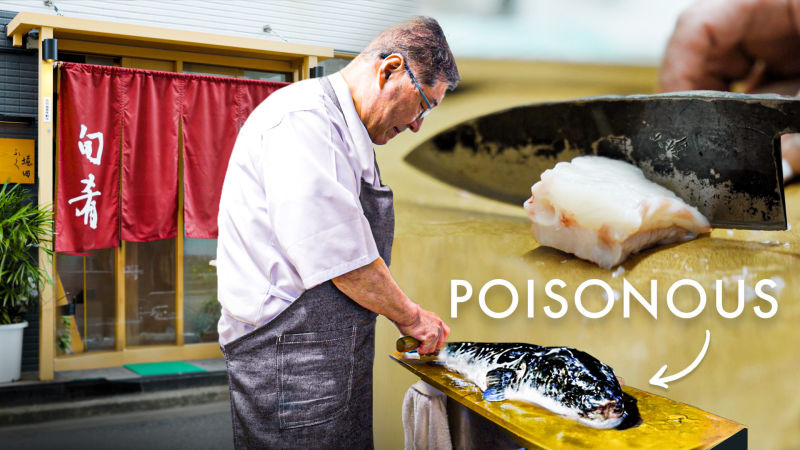
Today Bon Appétit joins Chef Kazuchi Hotta at his restaurant Shunsai Fuku Hotta in Tokyo to observe his mastery of fugu. Fugu, also known as pufferfish, is a seasonal winter delicacy in Japan, however, it contains a deadly poison that must be meticulously worked around and removed during prep. It is a process chefs must train for many years to master to serve it safely.

icon
You asked for it…they noodled. Brad and special guest Matty Matheson head down to Oklahoma to catch catfish with their bare hands. Join Brad and Matty as they search for catfish in dangerous, murky wourder with their new best friend and professional noodler Skipper Bivins. Screaming, sea monsters, and giant snakes galore. Watch them get literally in over their heads and stay tuned for Part 2 where they’ll cook up the fish they noodled.

icon
Bon Appétit spends a day at Jordan Johnson in Philadelphia, home of the city’s most viral fish sandwiches. Former boxer and owner Jordan Johnson takes us behind the hype of his buttermilk-fried fish hoagie to see how his restaurant serves hundreds in a day despite opening just three days a week. From frying fish to making signature salmon fried rice, see how discipline, efficiency, and social media helped turn his food into a Philadelphia sensation.

icon
We're back for episode 89 of It's Alive with Brad Leone and in this first entry of a two-part series, our guy is heading out to Bozeman, Montana to experience some fly fishing. Brad is joined on the Yellowstone River by his buddy Steve Rinella from Netflix's MeatEater who breaks down all the ins and outs of catching native whitefish. Let's see what these intrepid fellas can get on their hooks and bring into the kitchen.
icon
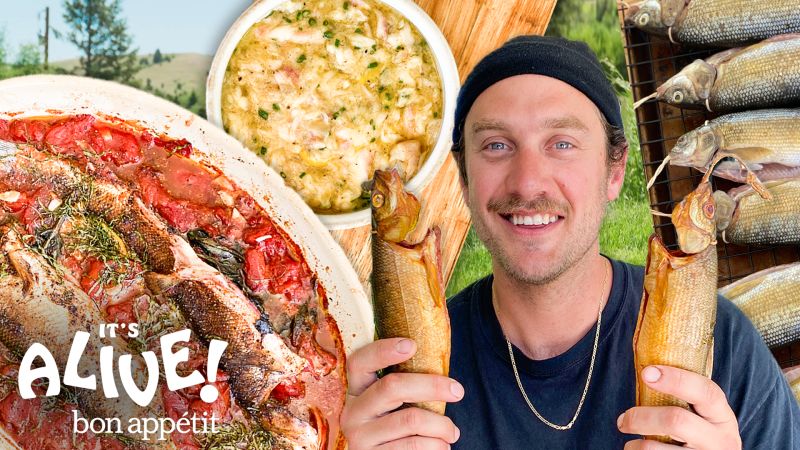
It’s the 90th episode of It's Alive with Brad Leone and our guy is still on location in Montana spending quality time with MeatEater’s Steve Rinella. As loyal viewers will recall, the gentlemen hauled in a fine catch of whitefish on the Yellowstone River in our previous episode - and now it’s time to hit the kitchen. We're brining, we're smoking, we're stewing, we're making dips and tomato bakes. This Montana trip is shaping up to finish on a high note.
icon
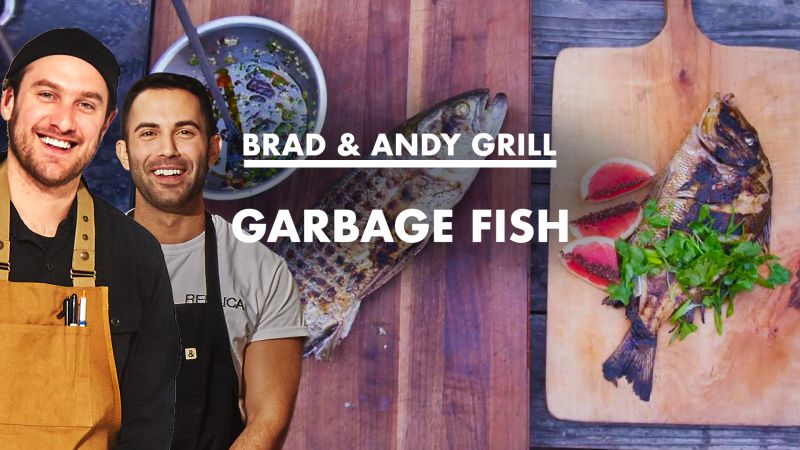
Join Brad Leone and Andy Baraghani in Brad's backyard as they grill "garbage fish." Don't be turned off by the term; it refers to bycatch, fish unintentionally caught while targeting other species. Brad picked up some bluefish and porgy, which are historically considered bycatch, to grill into a delicious meal.
Read More: How to Grill Fish, Whole or Filleted