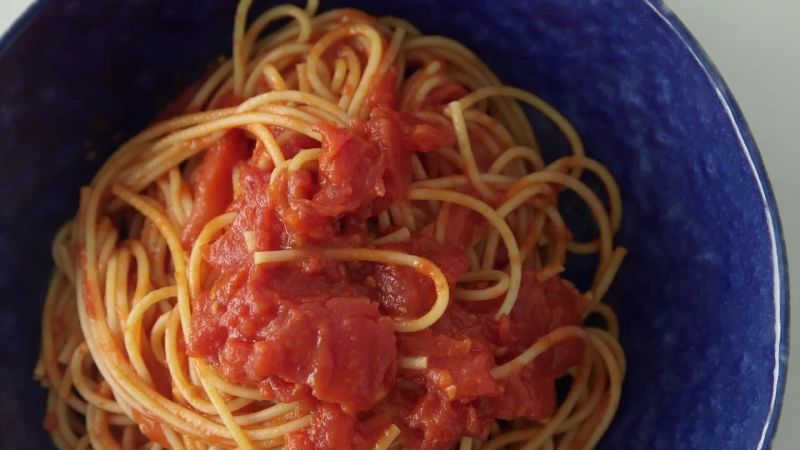
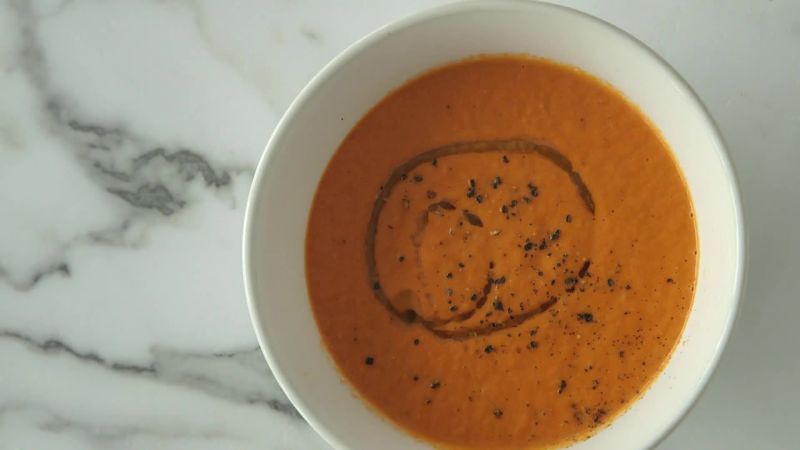
Good tomatoes are bursting with potential. The difference between consuming a tomato out of hand and slicing it, then sprinkling it with a pinch of salt and a few drops of olive oil, is the difference between a snack and a dish. And the great thing about tomatoes is that it takes so little to convert them from one to the other. In this instance—though not always—peeling and seeding the tomatoes is worth the effort. To do so, bring a pot of water to a boil. Meanwhile, cut a small X on the smooth (flower) end of each tomato. Drop them into the boiling water. In about thirty seconds, you’ll see the skin begin to loosen. Immediately remove from the boiling water and plunge into a bowl of ice water. When they’re cool, peel, then cut them in half through their equator. Squeeze and shake out the seeds. (For best flavor, do this over a strainer and recombine the reserved juices with the pulp.) Use fresh thyme (1 teaspoon), dill (1 tablespoon), basil (1/4 cup), parsley (1/4 cup), chervil (1 tablespoon), chives (1/4 cup), or a mixture of herbs to make this even better; garnish with fresh herbs, too, if you like.
Salting and straining ripe tomatoes extracts their flavorful juices; when combined with verdant basil oil, it makes a slightly sweet and vegetal salad dressing.
Nothing compares with a vine-ripened, fragrant, colorful tomato. Farmers’ markets (and your own backyard!) are the best places to go for tomatoes. Most of the supermarket varieties sold year-round have been bred for structure and not flavor. They can be shipped around the world, but they won’t make a tasty meal. There are many, many tomatoes to choose from. Little cherry tomatoes ripen quickly and are the first to market. They come in many colors; the golden and red ones are the most flavorful. Plum tomatoes are good for sauce. And then come all the other types, many of them called “heirloom tomatoes” to remind us that they are tomatoes our forebears planted in the days before produce was shipped globally. There are yellow, golden, orange, green, purple, striped, and, yes, red tomatoes to choose from. They come in as many sizes as there are colors. Choose deeply colored tomatoes that are neither soft nor too firm. Tomatoes will continue to ripen off the vine, and do so best out of direct sunlight. Don’t put your tomatoes in the refrigerator; the cold really steals their flavor. Wash the tomatoes and cut out a cone at the stem end to remove the core. If the skin is thick, tomatoes may be better peeled. To peel, plunge them into rapidly boiling water and remove them once the skin is loosened, which will take between 15 seconds and a minute or so (check the tomatoes oft en to know when to pull them out). Cool the tomatoes quickly in ice-cold water and slip off the skins. To seed a tomato, cut it in half horizontally and gently squeeze each half, coaxing the seeds out of each little cavity with your fingers. The juice can be strained to use in cooking, or to drink. Cooking tomatoes this way concentrates and intensifies their flavor. Each one is like a spoonful of sweet sauce.
You can buy sun-dried tomatoes already reconstituted and soaked in olive oil, but they’re expensive. It’s certainly easy enough—and only slightly less convenient if you think ahead—to begin with dried tomatoes. They’re almost as tough as shoe leather when you buy them but can easily be reconstituted: Soak them in hot water to cover until they’re soft, about an hour. (You might change the water once it cools to hasten the softening.) Drain the tomatoes and marinate them in a good fruity olive oil to cover (a half cup or more) for at least an hour. After that, making the tomato paste takes just a moment. Traditionally, the tomatoes are pounded, usually with garlic, in a mortar and pestle. I use a small food processor and like the resulting texture very much.
Tomato water--the rose-colored juice released from the cut fruit--tastes like a super-concentrated version of ripe tomatoes. Here's how to make and use it
Some people like to eat a tomato like an apple and there is nothing wrong with that. But there are myriad other ways to prepare or cook tomatoes. For instance, did you know you can make tomatoes a sauce? Or make them into a paste? You can even throw them in a dehydrator and turn them into tomato leather (honestly, try this). Join Amiel Stanek as he cooks, prepares and eats tomatoes in almost every way possible.
Join Andy Baraghani in the Bon Appétit Test Kitchen as he makes pasta with tomatoes and chickpeas. If you don't have a can of tomatoes, tomato paste will work just fine. Cook a couple of tablespoons in a small skillet alongside the chickpeas until it darkens before adding to the chickpeas and proceeding with the recipe.
Check out the recipe here: https://weigt-finish.today/recipe/brothy-pasta-with-chickpeas%3C/div%3E%3C/div%3E%3C/div%3E%3C/div%3E%3C/div%3E%3C/div%3E%3C/div%3E%3Cdiv class="StackedRatingsCardWrapper-RIFgn jsPKbl SummaryCollectionGridSummaryItem-ilztYA cpHIzM search_result_item-6a84498072e764a1dc9a33b2">
Chef Hillary Sterling shares her restaurant techniques for cooking better vegetables. Learn how to cook restaurant-quality vegetables at home, from salt-baked zucchini and eggplant to garlicky sautéed spinach, olive oil-poached artichokes, and perfectly blanched asparagus, broccoli, and peas. These professional cooking tips improve flavor, texture, color, and more, making vegetables the star of the show.