A complex, multipurpose sauce that is good enough to eat with a spoon; adjust the proportions to your taste once you get used to it. Serve it warm, with Grilled Satay (page 101), Fried Satay (page 100), Spring Rolls (page 38), or simply rice crackers, sold at many Asian and health food markets, or other crackers. See page 500 for information on Asian fish sauces like nam pla.
Every family has a recipe that is a well-kept secret. This one, created by my aunt Marcela, is ours. It took some major coaxing to convince her to let me in on the details. Chile-lovers, this is for you! Yellow chiles are left whole and are meant to be eaten in between bites of tacos or any grilled dish. If you want to get adventurous, try dipping sushi in the spicy lime-soy sauce.
Although the edges will puff and brown appealingly, the center of this dish may remain moist because of the amount of green chile sauce used. Green chile sauce is not salsa (although salsa could easily be substituted here). I’ve been pleased to see more companies offering jarred or canned versions that seem to be making their way out of the Southwest and into the rest of the country The amount of green chile sauce you use determines the heat level of your meal. Add another spice dimension with fresh or roasted green chiles, seeded and chopped. Although this is a vegetarian recipe that calls for meat-substitute crumbles (find these in your grocer’s freezer), you could easily add sausage, ground beef, pork, or turkey without changing anything else—likely not even the cooking time. Add chopped Canadian bacon and call it “green eggs and ham”! Consider whisking in 1/4 cup milk with the eggs for a slightly more quichelike effect.
In Mexico, salpicón is a kind of shredded meat or fish salad, usually made with beef, and commonly served on tostadas. This version gets a fresh crunch from radishes and sweet acidic kick from a combination of lime and pineapple juices.
These were introduced to the Lantern kitchen by Fuchsia Dunlop’s exhilarating book Land of Plenty: A Treasury of Authentic Sichuan Cooking. The surprisingly simple method lets you carry the heat and spice of late summer long into the winter months, such as in Roast Moulard Duck with Kumquats (page 214). Pureed along with cider vinegar, garlic, and a little sugar, salt-cured chiles become a vibrant hot sauce for raw oysters (page 188) or rice and beans.
I’m always trying to get Rosa to make chiles rellenos for the bakery’s lunch special. Customers love them and they always sell out. But they are messy and a lot of work. Even after you’ve roasted and peeled the chiles and finished making the meat filling, you’re only halfway there: they still need dipping in egg-white batter, individual deep-frying, and an immediate mouth to feed, because nobody likes cold chiles rellenos. I complained about this to Yvonne Bowden, a favorite party-throwing partner. She told me about a relleno casserole that bypassed the deep fryer. It’s still a lot of work, but the casserole configuration is more party friendly. We worked on the dish together and Fiesta Chiles Rellenos were born. Serve with small bowls of Beans a la Charra (page 150).
You can control the amount of heat in this meal with the types and amounts of chile peppers. I like the spectrum of flavors that results from mixing roasted with fresh chiles. To roast a chile pepper, you can treat it as you would a marshmallow when camping, using tongs or a long fork to rotate it over a low flame on a gas burner. However, a safer chile-roasting method is to place the chile on a baking sheet and slide it under the broiler for just a few minutes. When charred on all sides, place the chile in a bowl and cover with plastic wrap. The steaming will loosen the skin, making it easy to remove. Peel, stem, and seed roasted peppers before using. See page 168 for a discussion on preparing tofu.
Summer's chile explosion is about much more than five-alarm novelty. Here's how to tease out all the nuanced flavors fresh peppers offer. Get ready: August is going to be lit.
Join Priya in the Bon Appétit Test Kitchen as she makes chile peanut rice. This dish uses leftover rice, earthy fried mustard seeds and curry leaves, almost-caramelized onions for a touch of sweetness, crunchy-toasty peanuts, and Indian green chile for some heat.
Check out the recipe here: https://weigt-finish.today/story/indian-ish-chile-peanut-rice%3C/div%3E%3C/div%3E%3C/div%3E%3C/div%3E%3C/div%3E%3C/div%3E%3C/div%3E%3Cdiv class="StackedRatingsCardWrapper-RIFgn jsPKbl SummaryCollectionGridSummaryItem-ilztYA cpHIzM search_result_item-5bb3da35f71c8c49e4385ddf">
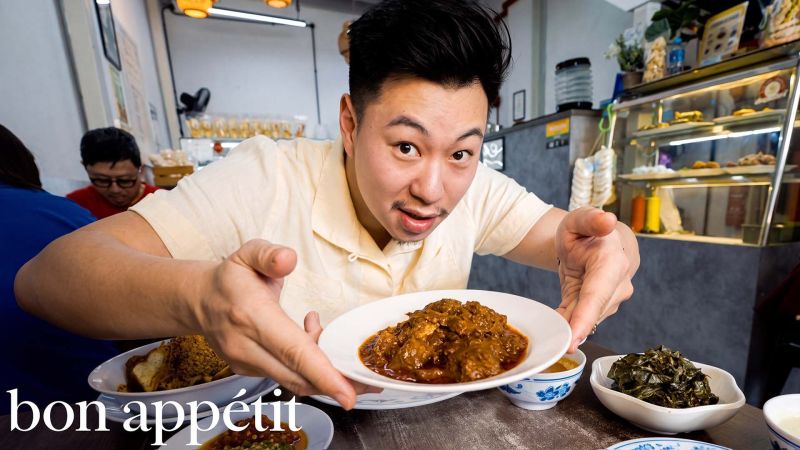
Bon Appétit meets chef Lucas Sin at Sabar Menanti, one of Singapore's oldest nasi padang restaurants, to learn how they’ve been making authentic beef rendang for 106 years. This third-generation family kitchen slowly cooks beef for hours with fresh coconut milk, hand-ground spices, lemongrass, ginger, chilies, and a closely guarded family seasoning. Discover why rendang begins as a stew before frying in its own coconut oil, and explore the rich Indonesian and Malay influences behind one of Southeast Asia's most iconic dishes.
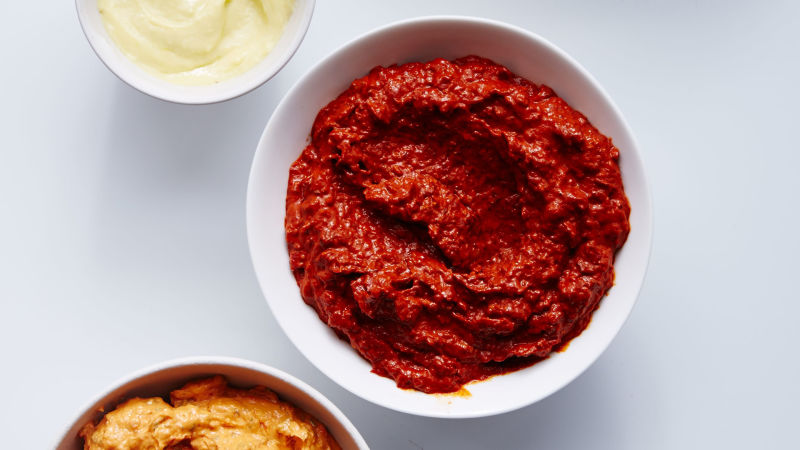
This irresistibly smoky-spicy condiment lasts for a month and perks up everything from scrambled eggs to lamb chops. Recipe by James Beard Award winner Alon Shaya.