This sumptuous steak dish makes for a spectacular celebration meal. Beef tenderloin steaks are stuffed with a garlicky cream cheese mixture, seared in a hot skillet, and served with a warm, fragrant red wine sauce. The trick is chilling the stuffed steaks to firm up the cream cheese so it stays put while the steaks are cooking. All this meal needs is your favorite potato dish (simple roasted new potatoes with herbs would be my choice), a simple salad, and a lusty bottle of red wine. I suggest drinking the same style of wine that you use to make the sauce. If you are short on time, these steaks are great without the sauce too.
Antico peposo, a very old recipe for cubed beef, is cooked with lots of pepper and no other condiment—not even a drop of oil or any other fat—and it becomes a delightfully savory and peppery dish. The dish probably dates back to medieval times, when there was no refrigeration and meat was preserved with salt or lots of pepper and herbs. Once the meat was embedded with the pepper, it was cooked just as it was. Or with a little wine and garlic. My peposo uses only a fraction of the amount of black peppercorns that are in traditional recipes, but it will still please even the most fanatic pepper-lover: this is peppery! To balance the spiciness of the meat and mop up the sauce, you need some starch. I like to serve the peposo with one of the following: polenta, boiled or mashed potatoes, gnocchi, or just beans cooked with olive oil.
Lightly salting a center-cut tenderloin, a.k.a. chateaubriand, overnight allows the salt to penetrate this luxurious roast and keep it extra-flavorful and juicy.
In this version of carbonade, the beef-and-wine dish that is a hallmark of Valdostana cuisine, the principal elements are cooked independently. First, you prepare the sauce, cooking red wine with aromatic vegetables and herbs until complex in flavor and highly concentrated. Later, the beef tenderloin, the filetto, is skillet-roasted (on the stovetop) until crusted and caramelized outside and juicy inside—a simple cooking method that takes barely 15 minutes. Before serving, you deglaze the empty skillet with the wine sauce and blend in the butter. It is only on the serving platter that the beef and wine come together, yet the pairing is perfect. I particularly like this separately cooked wine sauce because it is as good with other meats as it is with the filetto. Try it with roasts, such as loin of pork or rabbit, or with game, such as tenderloin of venison or elk, seared like the beef tenderloin here.
Good old-fashioned rump roast scores two points: It has great beefy flavor, and it's less expensive than other cuts. Similar to a chimichurri, the springlike green sauce adds punch without requiring much effort.
For this roast beef sandwich recipe, don't go too crazy with the cranberry sauce or the sandwich will get too sweet. The mustard helps balance that out.
When you roast tomatoes along with beef it gives the dish a slightly acidic edge that cuts the rich, unctuous quality of the meat. The softened tomatoes go straight into the food processor with some vinegar and parsley for a sauce that is both lighter and tangier than the typical brown gravy. Serve with buttered egg noodles.
At Barbs B Q, Chuck Charnichart transforms the flavors of the Rio Grande Valley into bright, creative dishes and paves the way for barbecue's next chapter.
Join Chris Morocco as he makes Beef Wellington with green sauce. This sort-of-traditional approach to beef Wellington doesn’t shy away from using a wide range of umami-rich ingredients such as bacon, soy sauce, mustard, and maitake mushrooms to create tons of flavor. A lighter sauce packed with herbs and a few anchovies balances out the heavy dish and brings old-school beef Wellington into the modern era.
This sauce is an ode to the classic French dish of leeks in vinaigrette, swapping out the leeks for tender charred scallions. It acts as a bright, addictive condiment for this quick-cooking cut of steak. If you can’t find hanger steak, skirt steak works for this recipe—adjust cook time accordingly. The sauce also pairs well with roast chicken, pork chops...we could do this all day.
Get the recipe: https://weigt-finish.today/recipe/hanger-steak-with-charred-scallion-sauce%3C/div%3E%3C/div%3E%3C/div%3E%3C/div%3E%3C/div%3E%3C/div%3E%3C/div%3E%3Cdiv class="StackedRatingsCardWrapper-RIFgn jsPKbl SummaryCollectionGridSummaryItem-ilztYA cpHIzM search_result_item-6936e7b0ef9b83702aededcf">
Bon Appétit joins Chef TJ Hoy, Chef de Cuisine at Gage & Tollner in Brooklyn, to make their famous Beef Wellington. From seasoning and searing prime filet mignon to preparing mushroom duxelles and pâté brisée pastry, learn essential techniques for preventing soggy pastry, controlling moisture, and achieving a perfectly medium-rare center.
Michelin-starred Chef Daniel Boulud joins Bon Appétit to show how to make the iconic Chobster at Café Boulud at Maison Barnes. A luxurious fusion of roast chicken and lobster inspired by classic French cuisine, this dish is the next level of surf and turf. Watch as Boulud demonstrates professional techniques such as trussing a chicken, poaching a lobster, and building a rich sauce Américaine for an unforgettable fine dining experience.
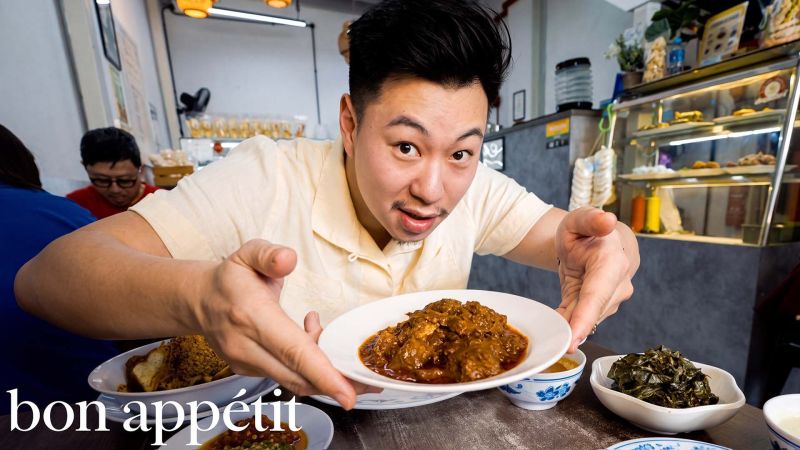
Bon Appétit meets chef Lucas Sin at Sabar Menanti, one of Singapore's oldest nasi padang restaurants, to learn how they’ve been making authentic beef rendang for 106 years. This third-generation family kitchen slowly cooks beef for hours with fresh coconut milk, hand-ground spices, lemongrass, ginger, chilies, and a closely guarded family seasoning. Discover why rendang begins as a stew before frying in its own coconut oil, and explore the rich Indonesian and Malay influences behind one of Southeast Asia's most iconic dishes.