We had never considered grilling monster kebabs of unidentifiable cuts of meat until we spotted those churrascaria ads in airline magazines. The Brazilian barbecue called churrasco (pronounced shoo-RAS-koo) prepared on oversized spits looks especially good when you’re strapped in a seat at 35,000 feet with only a tiny bag of peanuts. At home, a family-size sirloin, some rib eyes, or beef tenderloin steaks taste just as Brazilian with a side of chimichurri, the traditional spicy mix of fresh cilantro and parsley, onions, garlic, vinegar, and olive oil. We oil up and simply season the steaks with nothing more than salt and pepper before searing under a hot broiler. Instead of bothering with cutting the meat into chunks for skewers, cook the steaks whole and carve them into thick slices before serving. Everyone at the table can see the doneness of the pieces and can choose how much and what they want. Complete the meal with Cuban Black Beans (page 149), rice, and some kind of salad with hearts of palm thrown in. R. B. recommends a spoonful or two of chimichurri in scrambled eggs with cold steak for brunch.
Editor's note: The recipe and introductory text below are from The Ethical Gourmet. To read more about the book, click here.
Roaming the range foraging for grasses makes pasture-raised beef leaner and more intense in flavor. Grass-fed beef, with its lower fat content, cooks differently from conventional beef, so cook it slower, at lower temperatures. Its concentrated flavors make it an exceptional meat to serve in small, sliced portions as a spicy accompaniment to a grain and vegetable main course such as Pumpkin Basmati Rice Pilaf, Toasted Hard Red Wheat Pilaf with Caramelized Shallots, Figs, and Brazil Nuts, or Spice Whole Oats.
Eduardo Pria, a 2002 Workshop participant and Mexico City native, is probably the most passionate chef we have ever had at the Workshop. He was overjoyed to be at the winery and expressed it with frequent hugs for all, usually coupled with an enthusiastic “I love you, man!” The Argentinian chimichurri sauce that Eduardo made for Don Watson’s lamb was as exhilarating as he is. Brian has used the sauce frequently over the years, adapting it along the way. Prepared quickly in a blender, it is a vivid emerald green and like pesto in texture, with a fresh, zingy taste. It complements almost any grilled red meat—from leg of lamb to hanger steaks, flatiron steaks, or pork chops. Add roasted fingerling potatoes and Blistered Cherry Tomatoes (page 157) for an ideal summer meal. We also like chimichurri with grilled summer vegetables, such as zucchini, eggplant, and peppers. You can make the sauce a few hours ahead, but plan to use it the same day. It loses zip with time. Note that the lamb needs to marinate for at least two hours.
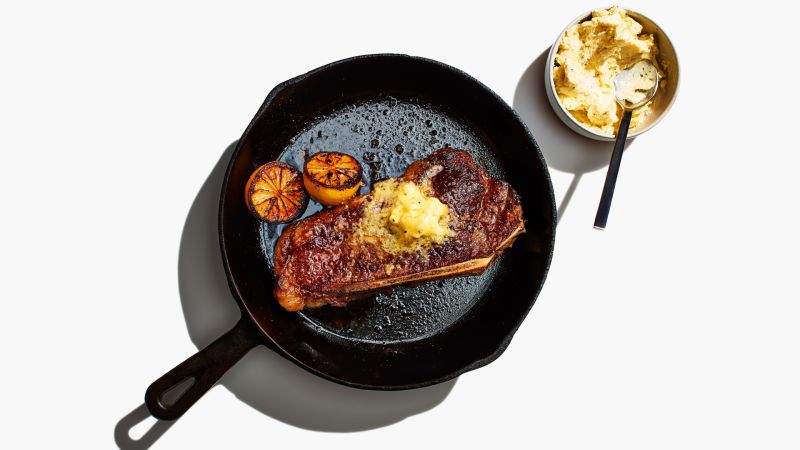
When accompanied by the delicious tang of chimichurri sauce, all this steak needs is to be seasoned with salt and pepper and grilled to the desired doneness.
I met chef Kevin Stewart and his partner, Richard Cordray, at my friend Loncito Cartwright’s South Texas ranch. Kevin prepared this dish using Loncito’s grass-fed lamb and I asked for the recipe, named after Kevin and Richard’s former Marfa restaurant, Blue Javalina. Wild packs of javalinas—compact, coarse-haired, piglike animals with short snouts—roam the high plains of West Texas. Javalinas do not come in blue, nor do they make for great eating. Loncito’s lamb is a different story. His grass-fed lamb has a mild taste that appeals to even the most reluctant lamb eater. It is available at select farmers’ markets and specialty foods stores throughout Texas.
Even if it's grass-fed beef, it's better to chew on weeds from your backyard than consume meat. But if you really want a steak, go as local as possible. Here's how I did it.
Even though the beef industry is harmful to the environment, I just can't give up meat entirely—but I try to eat a lot less of it. So this recipe better be worth it.
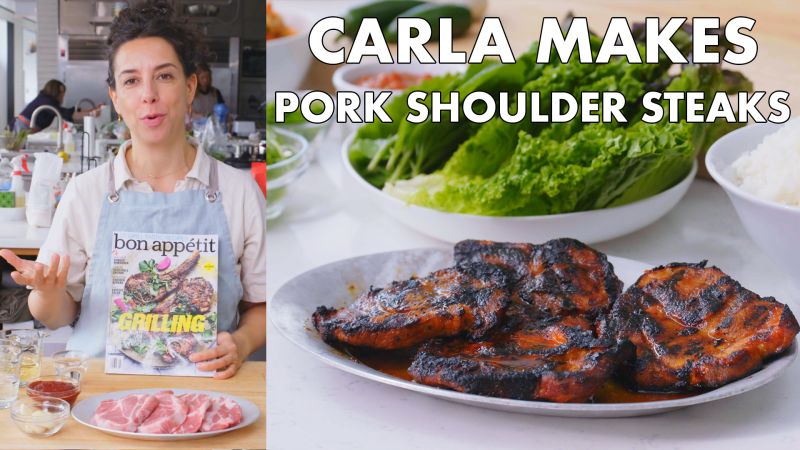
Join Carla Music in the Bon Appétit Test Kitchen as she makes pork shoulder steaks. The centerpiece of Korean barbecue is the meat, but it doesn't have to be steak. Keep an eye on the edge of the meat where it touches the grill: When it’s browned, turn the pork over.
Check out the recipe here: https://weigt-finish.today/recipe/gochujang-pork-shoulder-steaks%3C/div%3E%3C/div%3E%3C/div%3E%3C/div%3E%3C/div%3E%3C/div%3E%3C/div%3E%3Cdiv class="StackedRatingsCardWrapper-RIFgn jsPKbl SummaryCollectionGridSummaryItem-ilztYA cpHIzM search_result_item-5da9d4560c38470008bc9c0f">
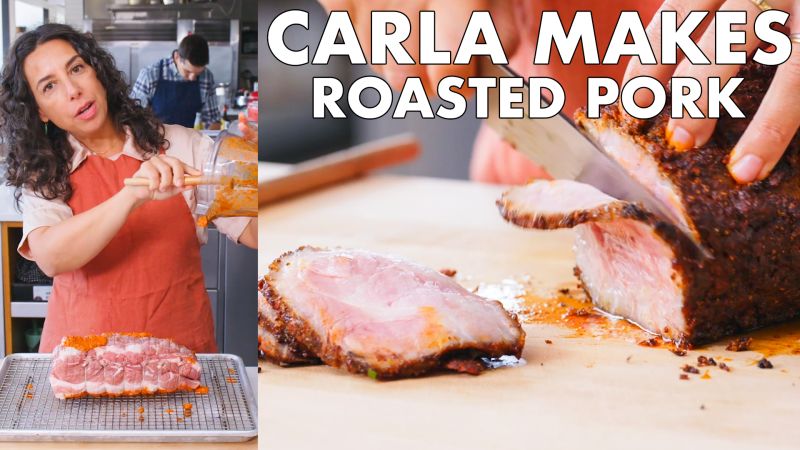
Join Carla Music in the Bon Appétit Test Kitchen as she makes spiced roasted pork with chili paste. This recipe is from chef Vivek Surti of Tailor in Nashville, No. 7 on our 2019 Hot Ten list.
Check out the recipe here: https://weigt-finish.today/recipe/spiced-roast-pork-with-fennel-and-apple-salad%3C/div%3E%3C/div%3E%3C/div%3E%3C/div%3E%3C/div%3E%3C/div%3E%3C/div%3E%3Cdiv class="StackedRatingsCardWrapper-RIFgn jsPKbl SummaryCollectionGridSummaryItem-ilztYA cpHIzM search_result_item-6a9009ee9b877998f92154d2">
Chef Ayesha Nurdjaja shows how to make five flavor-packed grilled skewers with steak, chicken, shrimp, halloumi, and zucchini. From juicy marinated chicken and perfectly cooked steak to smoky shrimp and golden halloumi, Ayesha shares her essential techniques for prepping, seasoning, skewering, and grilling each ingredient. The result is a showstopping Mediterranean-inspired kebab feast that’s sure to impress friends and family.