This recipe method combines high-heat searing for a crusty, well-seasoned exterior, with low-temperature roasting for a perfectly even and very tender interior. Truly the best of both worlds.
Beef tenderloin is very lean and cooks quickly. Cooking over wood enhances the flavor of the meat as well as the vegetables. You can substitute small potatoes if you can’t find parsnips. This can easily be made in a conventional oven, though the smoky flavors will be missing. The Horseradish sauce is a version my mom always made to serve with prime rib at Christmas.
Few Americans have ever had the real thing, probably because the frozen and cafeteria concoctions have given this old and rather rich dish a bad name. But it’s a simple preparation and a nice one; serve over buttered noodles or plain white rice or with bread. This is a good place to use beef tenderloin, because the cooking is quick and the meat should be tender. Both the mushrooms and the tomatoes are optional; the dish is perfectly fine without either or with both. Other cuts of meat you can use here: boneless veal shoulder or round.
Here's a special-occasion roast enhanced with classic Provençal seasonings. Roasting two large ends of tenderloin instead of one whole piece ensures even cooking. (The meat needs to be coated with its aromatic rub, then chilled for at least six hours before roasting.) Serve this elegant dish with <epi:recielink id="2999">Scalloped Potatoes with Goat Cheese and Herbes de Provence</epi:recielink> and a sauté of green beans, zucchini and red bell pepper. Uncork a sophisticated Rhône red such as Hermitage or Crozes-Hermitage.
Stew made with lamb may be known as the national dish, but beef is actually the most popular meat today. It turns up everywhere, including Tinakilly House in Rathnew, Ireland, where they offer this lovely dish. It's served with Champ (Green Onion Mashed Potatoes).
CUT FROM THE SHORT LOIN SECTION, beef tenderloin is a succulent cut of meat. Grilling adds flavor, and with a sprinkling of dried herbs and an intense red wine sauce, the beef is even more flavorful.
Chef Graham Elliot, of restaurants Graham Elliot and Grahamwich in Chicago, shared this recipe as part of a Tree-Trimming Party Menu he created exclusively for Epicurious. The hearty winter dish conjures memories of childhood, with a comforting mix of red meat, mushrooms, cream, and dumplings. If you need to save time, store-bought egg noodles can be used as a substitute for the spaetzle. Black trumpet mushrooms tend to be very dirty from the forest floor. They should be rinsed multiple times before being considered clean. Once rinsed and cleaned, let them rest and drain on a rack or dry towel.
In this version of carbonade, the beef-and-wine dish that is a hallmark of Valdostana cuisine, the principal elements are cooked independently. First, you prepare the sauce, cooking red wine with aromatic vegetables and herbs until complex in flavor and highly concentrated. Later, the beef tenderloin, the filetto, is skillet-roasted (on the stovetop) until crusted and caramelized outside and juicy inside—a simple cooking method that takes barely 15 minutes. Before serving, you deglaze the empty skillet with the wine sauce and blend in the butter. It is only on the serving platter that the beef and wine come together, yet the pairing is perfect. I particularly like this separately cooked wine sauce because it is as good with other meats as it is with the filetto. Try it with roasts, such as loin of pork or rabbit, or with game, such as tenderloin of venison or elk, seared like the beef tenderloin here.
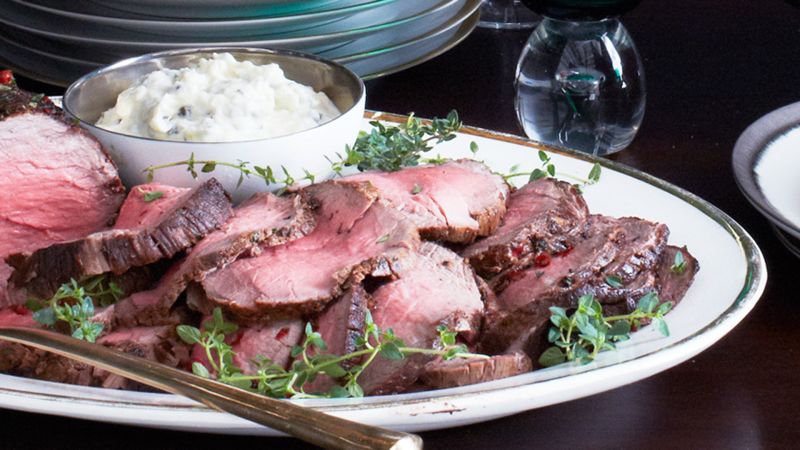
When you're cooking for a full house during the holidays you need something hearty to feed so many bellies. Our roasted beef tenderloin complete with horseradish cream sauce will definitely do the trick. Get the recipe: http://weigt-finish.today/recipe/roast-beef-tenderloin-with-garlic-and-rosemary%3C/div%3E%3C/div%3E%3C/div%3E%3C/div%3E%3C/div%3E%3C/div%3E%3C/div%3E%3Cdiv class="StackedRatingsCardWrapper-RIFgn jsPKbl SummaryCollectionGridSummaryItem-ilztYA cpHIzM search_result_item-6936e7b0ef9b83702aededcf">
Bon Appétit joins Chef TJ Hoy, Chef de Cuisine at Gage & Tollner in Brooklyn, to make their famous Beef Wellington. From seasoning and searing prime filet mignon to preparing mushroom duxelles and pâté brisée pastry, learn essential techniques for preventing soggy pastry, controlling moisture, and achieving a perfectly medium-rare center.
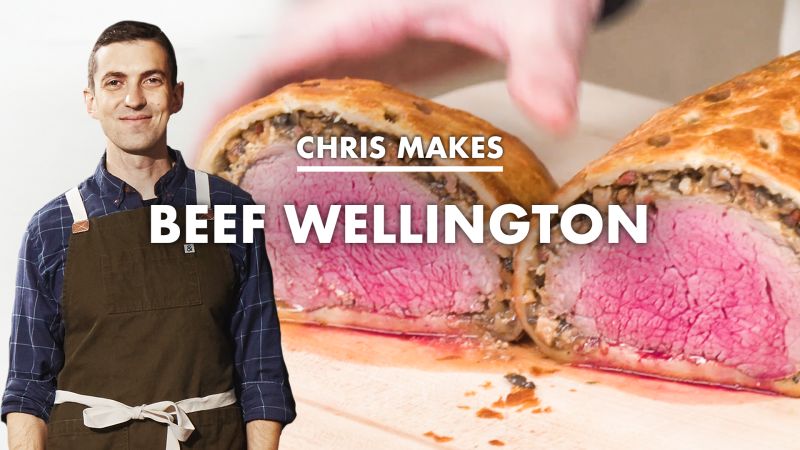
Join Chris Morocco as he makes Beef Wellington with green sauce. This sort-of-traditional approach to beef Wellington doesn’t shy away from using a wide range of umami-rich ingredients such as bacon, soy sauce, mustard, and maitake mushrooms to create tons of flavor. A lighter sauce packed with herbs and a few anchovies balances out the heavy dish and brings old-school beef Wellington into the modern era.
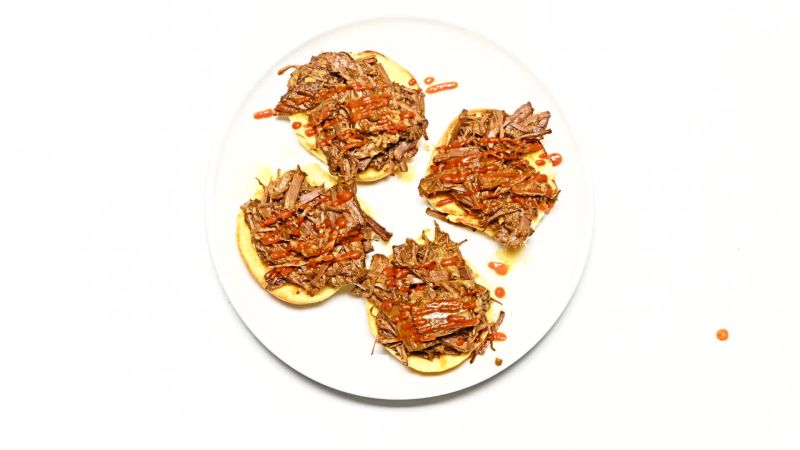
The key to success in this recipe is time. Don’t try and rush the brisket by turning up the heat—that will only dry it out and make it tougher. Let it go low and slow until the meat is shreddable, and if you’re not sure if it’s ready, let it go a bit longer.
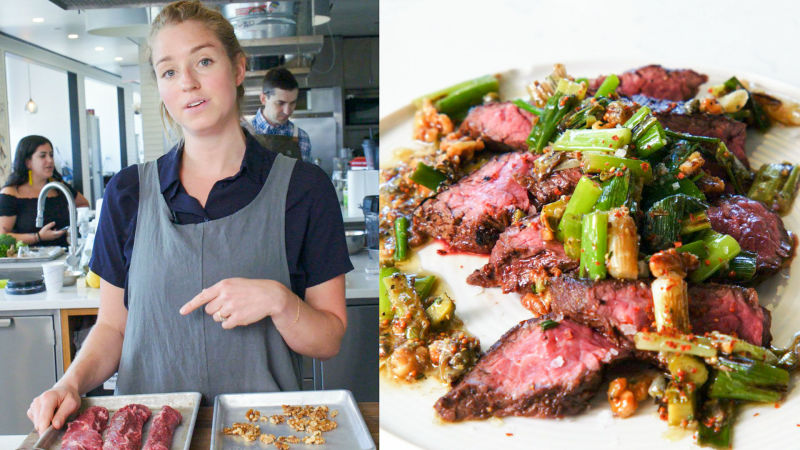
This sauce is an ode to the classic French dish of leeks in vinaigrette, swapping out the leeks for tender charred scallions. It acts as a bright, addictive condiment for this quick-cooking cut of steak. If you can’t find hanger steak, skirt steak works for this recipe—adjust cook time accordingly. The sauce also pairs well with roast chicken, pork chops...we could do this all day.
Get the recipe: https://weigt-finish.today/recipe/hanger-steak-with-charred-scallion-sauce%3C/div%3E%3C/div%3E%3C/div%3E%3C/div%3E%3C/div%3E%3C/div%3E%3C/div%3E%3Cdiv class="StackedRatingsCardWrapper-RIFgn jsPKbl SummaryCollectionGridSummaryItem-ilztYA cpHIzM search_result_item-649c54e2314f814fbd4cc5f1">
Ever wonder what it's like to work a shift behind the counter at a legendary Chicago sandwich shop? Join chef and comedian Cody Reiss as he gets a crash course on what it takes to keep the operation on track at Al’s #1 Italian Beef, courtesy of owner Chris “Bones” Pacelli.