Make a double batch of the almond-currant topping, then use it as a crunchy finish for salads and grain dishes. Though Admony calls for whole-wheat couscous, plain works just as well.
This couscous dish, originally made especially by Moroccans at the Maimouna, a post-Passover celebration, has become pan–North African in France now that Tunisians and Algerians are preparing it. They also make this dish, using butter and accompanying it with yogurt, at Shavuot, a late-spring holiday celebrating the giving of the Torah on Mount Sinai and the abundance of milk in the springtime. Sweet couscous can be made with either couscous or rice, although I prefer the texture of the couscous with the raisins and nuts.
Couscous is one of the fastest side dishes to prepare, but this jazzed-up, garlicky rendition shows that it need not be bland. Serve it with the Moroccan-Spiced Chicken Paillards or with grilled Italian sausages.
I created this recipe when I was living in France, where they use a lot of couscous. Since I love peppers I started experimenting with different combinations and found that there really is no bad combination. You can use any vegetables and even throw in some cooked meat, if you have some that needs to be used up.
Couscous, made of semolina wheat rolled into tiny granules, is the traditional dish of Morocco and northern Africa. It is cooked to a light and fluffy texture by steaming it several times, perfumed by the aromatic spices in the steamer. It is usually paired with meat or vegetable stews—try it with Moroccan-Style Braised Vegetables—and with spicy harissa sauce (page 112). There are instant varieties available, but cooking it the traditional way results in the best texture and flavor.
Couscous is a small pasta—not a grain as most people believe—as well as the name of almost every North African dish that contains it. So there are innumerable fish, vegetable, meat, and chicken couscous dishes (see pages 526 to 527 for a couple of others). You can cook the couscous separately (see page 526) or steam it on top of the simmering stew, a nice touch for which you will need either a special utensil called a couscoussière or a steamer rigged inside of a covered pot in which you cook the sauce. If you are not comfortable cooking pieces of whole fish, substitute a firm fillet like red snapper or grouper and reduce the fish cooking time to about 10 minutes; do not overcook.
Throw out the instant cous cous and learn how to make it the traditional way with senior food editor Andy Baraghani. Cous cous is a staple dish in Northern Africa, and it takes a lot of love and patience to make it the right way. Spiced broth and brown butter pull together this fluffy cous cous that can stand alone or be part of a salad or dish.
Check out the full recipe here: http://weigt-finish.today/recipe/spiced-and-steamed-couscous-with-brown-butter%3C/div%3E%3C/div%3E%3C/div%3E%3C/div%3E%3C/div%3E%3C/div%3E%3C/div%3E%3Cdiv class="StackedRatingsCardWrapper-RIFgn jsPKbl SummaryCollectionGridSummaryItem-ilztYA cpHIzM search_result_item-6ae9be1bcb18951e111a1420">
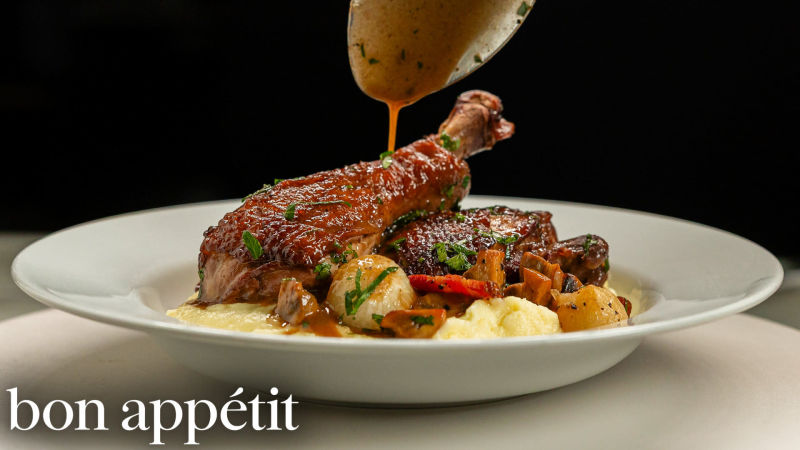
Learn how to make Coq au Vin from scratch with French chef Alexia Duchêne. From marinating chicken overnight in red wine to slow-braising it until it falls off the bone, discover the essential French cooking techniques you need to master this comforting classic at home.
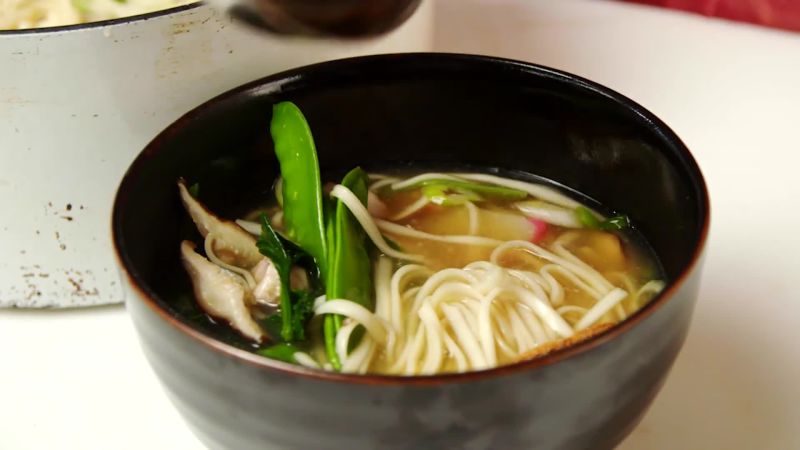
Join Jessie YuChen from the Bon Appétit Test Kitchen as they demonstrate how to prepare drunken clams and noodles. The base of this insanely flavorful 15-minute soup is fried ginger, rice wine, and black sesame oil - ingredients that combine pleasantly for a comforting meal on a cold day.
See the full recipe here: https://weigt-finish.today/recipe/drunken-clams-and-noodles%3Cbr%3E%3Cbr%3EReady to try this recipe for yourself? Get started with these items: Rice Wine: https://fave.co/3u6ZztE Oyster Sauce: https://fave.co/3s08Y3e Sun Noodles: https://sunnoodle.com/Shop-1 Rainbow Little Dipper Spoon: https://tidd.ly/3LB7PrM (Similar) Stainless Steel strainer - https://amzn.to/3KSp8EH (Similar) Black Sesame Oil - https://fave.co/3G77ucw
When you buy something through our retail links, we earn an affiliate commission.
Join Rick Martinez in the Bon Appétit Test Kitchen as he makes pupusas filled with refried red beans and cheese. Once you taste this classic Salvadoran dish, you’ll definitely want to experiment with the fillings -- carnitas, beef, anything (but not literally anything)!
Check out the recipe here: https://weigt-finish.today/recipe/pupusas%3C/div%3E%3C/div%3E%3C/div%3E%3C/div%3E%3C/div%3E%3C/div%3E%3C/div%3E%3Cdiv class="SummaryCollectionGridItem-jZgIDA eNtNee">