Argentinean
Filter Results
32 items
Sort By:

Easy
Punchy, make-ahead chimichurri adds a bright, fresh finish to this easy summer dinner.
4.0
(4)

Quick
This colorful chimichurri recipe doubles as a marinade and works as an accompaniment to all cuts of beef—or anything else you want to gussy up.
4.0
(3.96)
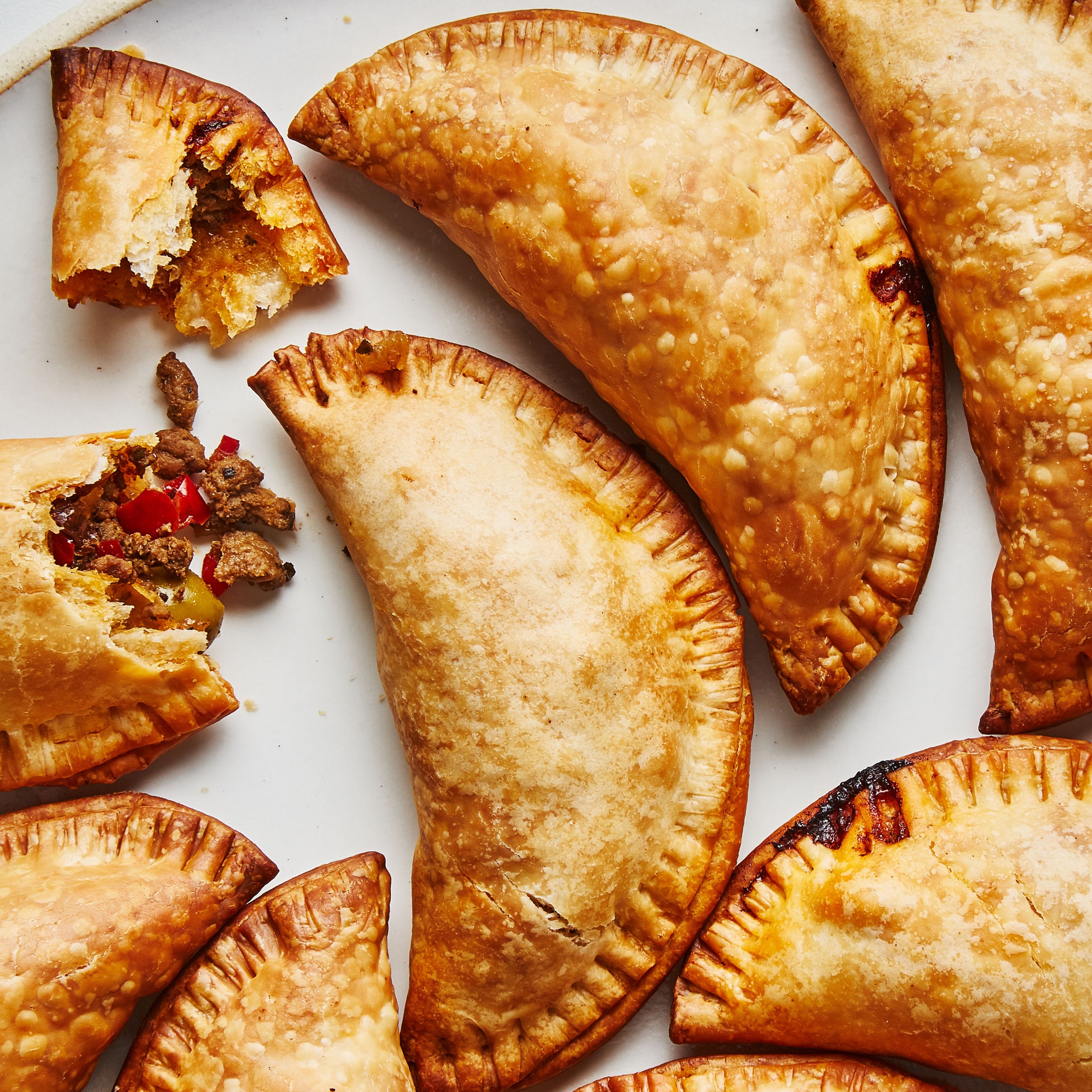
For these baked empanadas, Gaby Melian says the addition of green olives and raisins in the filling is essential.
4.3
(4.31)

This recipe was developed in honor of BA contributor Gaby Melian’s mother, who told her that if you left out the green pepper, it wasn’t an empanada.
4.5
(4.46)

This hot-sweet-smoky salsa transforms quick-seared short ribs into a dinner with complexity.
3.7
(3.67)

Easy
The tri-tip is a tender, triangular cut of beef tucked near the sirloin. There are only two per steer, so if your butcher is out, go with sirloin.
5.0
(5)

Vegan
4.0
(4)


Make this versatile caramel at home with our slow-simmered method using milk and sugar—or take one of two sweetened condensed milk shortcuts.

This no-bake chocotorta is thrown together with everyday staples from the Argentine pantry.

Quick
This Argentinian staple is typically topped with mayonnaise, mustard, and chimichurri. We swapped out the chimichurri for a fresh salsa criolla, which takes just minutes to make.

Easy
This is one of those recipes that will make you look like an incredible cook for very little effort. Because of skirt steak’s relatively loose grain, it soaks up marinade incredibly well and is one of the few meats we ever marinate before grilling.

Quick
When sitting down to dine in Argentina, a small jar or vessel of oily, deep-green chimichurri is often the first thing to greet you at your table. A traditional condiment made of parsley and other herbs, sometimes speckled with dried red peppers, green onions, or garlic, chimichurri is the iconic sauce of the parrilla culture, delivering a welcome bolt of bright, sharp, herbaceous saltiness and acidity that takes fire-cooked foods to new heights.

Quick
In Argentina, garlicky chimichurri, a condiment as prevalent there as ketchup is in the United States, is spooned over all manner of grilled meats, especially steak. Make chimichurri at least 1 hour ahead to allow the flavors to meld.
Dulce de leche is a popular sweet in Argentina and throughout the rest of South America, where it is also called manjar and leche quemada (“burnt milk”). Store-bought versions are increasingly available in North American supermarkets and specialty foods stores; use it in place of the homemade variety, if desired.
Quick
Chimichurri is a simple Argentinean steak sauce made almost entirely from parsley, with huge amounts of chopped garlic and red pepper. In spirit, it’s not unlike pesto, but because everything is hand-chopped rather than ground or mashed, it has a bit more chew to it. And its powerful ingredients set it apart, making it the perfect complement for mild-tasting but meaty tenderloin.
Quick
Green and pungent, this is my favorite version of the famed Argentinean sauce. For a more traditional version, substitute fresh oregano for the cilantro, and red wine vinegar for the lime juice. Serve it with fat, juicy rib eyes, grilled chicken breasts, or tuna steaks.

Arepas define Venezuelan cooking. These thick cornmeal patties are griddled, then baked, and then stuffed while warm with anything from white cheese to this zesty chicken salad with avocado mayonnaise.
Thick, herby chimichurri is a great sauce to add to your cooking repertoire. Serve it with grilled meats or sausages, toss it with roasted potatoes, brush it on bread before grilling, or pair it with fried eggs.

Quick
Here, the sunny warmth of mint escapes the sweet-jelly cliché to find new expression in the thick Argentinean herb sauce called chimichurri. Its bright acidity cuts the lush richness of lamb shoulder chops.

According to legend, a great chef in Punta del Este, Uruguay, Antonio Carbonada, had an Argentine lady as a regular customer. One day she asked for her favorite sandwich made with goat (chivito in Spanish). There was no goat to be had, so the chef threw together what was on hand—steak, ham, cheese, lettuce, and mayonnaise—and the chivito was born. It is now found everywhere in Uruguay.
As with most traditional comfort food, everybody makes their chivito just a little differently. Here's mine.

Food critics often say that the measure of a great restaurant is its roast chicken. This technique is much more forgiving than regular oven-roasting chicken, although it doesn't have a crunchy crust. I believe that achieving moist white meat is even more important than the crust.
Whether used as a marinade or as a sauce, a versatile chimichurri complements most any grilled fish, chicken, or meat.